
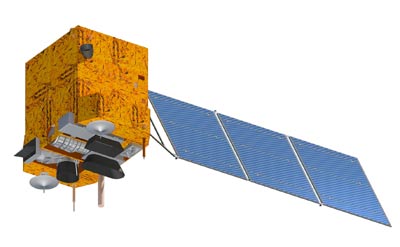
About: CBERS-3 Goto Sponge NotDistinct Permalink
An Entity of Type : skos:Concept,
within Data Space : foodie-cloud.org, foodie-cloud.org associated with source document(s)
| Attributes | Values |
|---|---|
| type | |
| has broader | |
| preferred label |
|
| definition |
|
| is in scheme | |
| http://gcmd.gsfc.nasa.gov/kms#altLabel | |
| http://gcmd.gsfc.nasa.gov/kms#resource | |
| is has narrower of |
Faceted Search & Find service v1.16.115 as of Sep 26 2023


![[RDF Data]](/fct/images/sw-rdf-blue.png)

OpenLink Virtuoso version 07.20.3238 as of Sep 26 2023, on Linux (x86_64-generic_glibc25-linux-gnu), Single-Server Edition (252 GB total memory, 144 GB memory in use)
Data on this page belongs to its respective rights holders.
Virtuoso Faceted Browser Copyright © 2009-2026 OpenLink Software
![[cxml]](/fct/images/cxml_doc.png)
![[csv]](/fct/images/csv_doc.png)
![[text]](/fct/images/ntriples_doc.png)
![[turtle]](/fct/images/n3turtle_doc.png)
![[ld+json]](/fct/images/jsonld_doc.png)
![[rdf+json]](/fct/images/json_doc.png)
![[rdf+xml]](/fct/images/xml_doc.png)
![[atom+xml]](/fct/images/atom_doc.png)
![[html]](/fct/images/html_doc.png)
OpenLink Virtuoso version 07.20.3238 as of Sep 26 2023, on Linux (x86_64-generic_glibc25-linux-gnu), Single-Server Edition (252 GB total memory, 144 GB memory in use)
Data on this page belongs to its respective rights holders.
Virtuoso Faceted Browser Copyright © 2009-2026 OpenLink Software